We integrate community knowledge with molecular science to document
what Africa knows.
- Field
- Laboratory
- Analysis
Research
Research areas
Genomic authentication and medicinal biodiversity. Medicinal plants of West Africa represent a therapeutic heritage that remains largely undocumented at the molecular level. We develop omics approaches (genomics, transcriptomics, metabolomics) to authenticate, characterise and map the genetic diversity of Senegalese medicinal species. The goal is to build a reference data infrastructure that does not yet exist for West African flora.
Traditional knowledge and data sovereignty. The knowledge that practitioner communities hold about their plants precedes and complements molecular characterisation. We work to integrate this knowledge into omics pipelines: documenting it with the communities concerned, connecting it to genomic data, and developing governance frameworks to protect it.
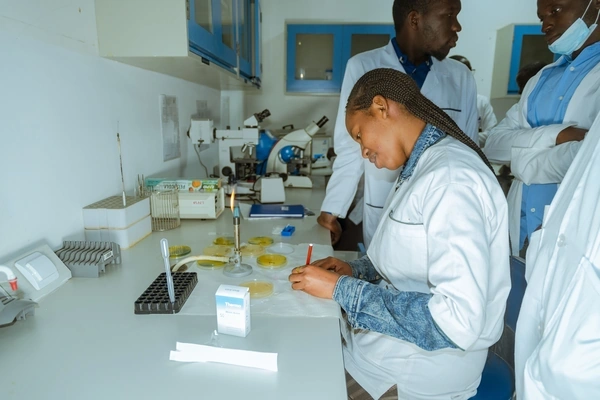
Bioinformatics infrastructure and training. Omics data production in Africa cannot durably depend on analytical capacity located elsewhere. We are building an integrated pipeline (field, wet laboratory, high-performance computing) through which students of the Licence and Master programme in Molecular Genetics and Bioinformatics at the Université Numérique Cheikh Hamidou Kane (UN-CHK) are trained through practice, contributing directly to the scientific output of the laboratory.
Infrastructure
- High-performance computing · Kàkkatar v1 Infrastructure under deployment in Dakar · Operational target 2026
- Field network Access to practitioner communities and collection sites in Senegal and West Africa
- Wet laboratory Benches installed · Equipment in progress
Team
Principal
Investigator.
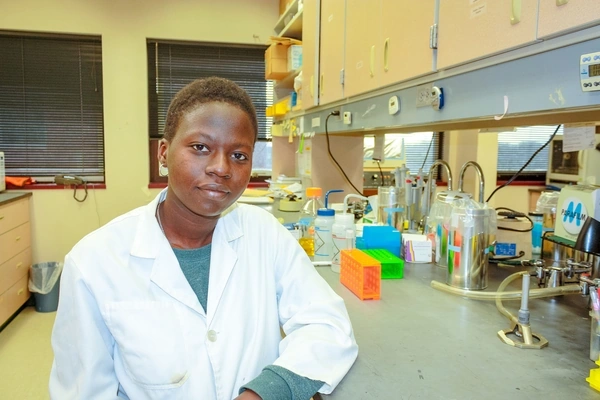
Dr. Khadidiatou Sall · PI
Dr. Khadidiatou Sall
- 2008–2012 · BSc in Biology, MSc in Biochemistry — Université Pierre et Marie Curie (Sorbonne Université), Paris, France
- 2017 · PhD in Molecular and Cell Biology — Oregon State University, Corvallis, Oregon, USA
- 2015 · Founder, SeeSD · Ubbil Innovation Hub, Dakar, Senegal
- Since 2021 · Programme Director, BSc & MSc in Molecular Genetics and Bioinformatics, Université Numérique Cheikh Hamidou Kane (UN-CHK), Dakar, Senegal
- 2024–2025 · Princeton START Innovator, Princeton University, Princeton, New Jersey, USA
- Since 2024 · Associate Professor, Université Numérique Cheikh Hamidou Kane (UN-CHK), Dakar, Senegal
Research interests
Lab members
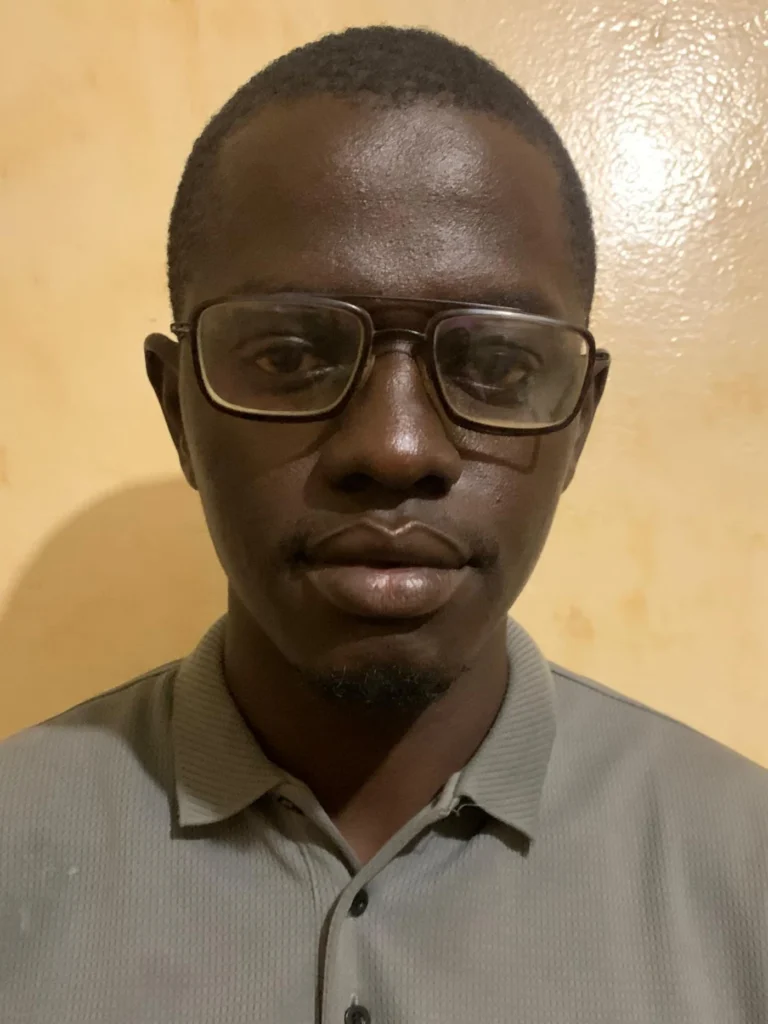
Ousseynou Ben Diouf
Bioinformatician
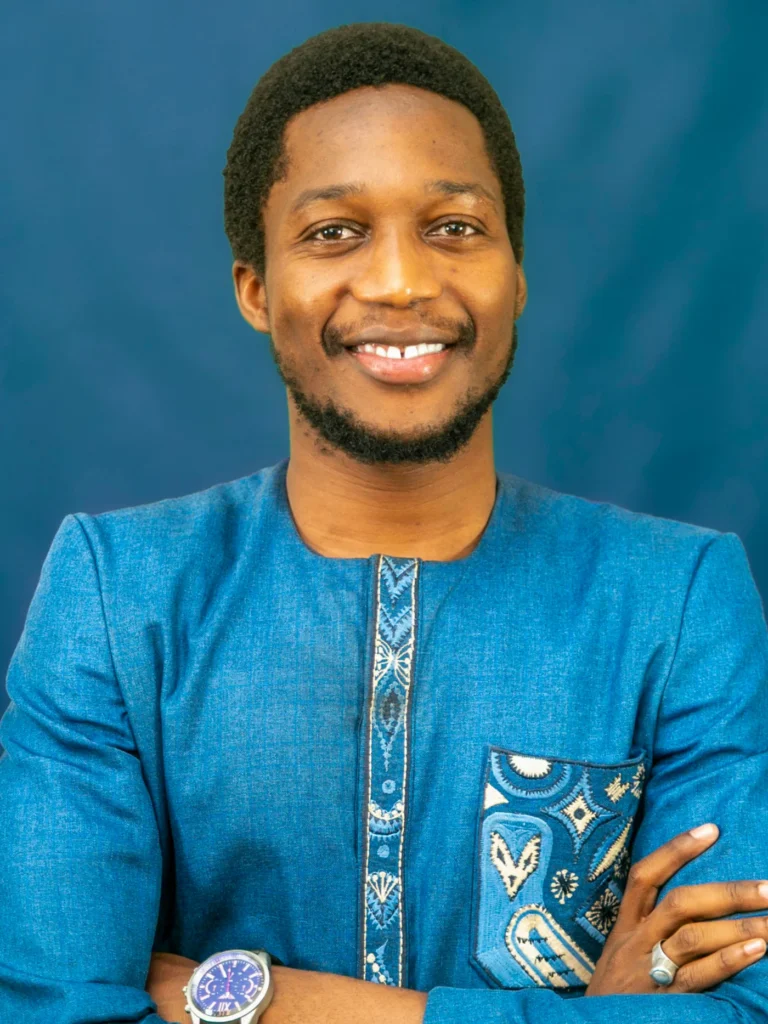
Alassane Salam Diop
Laboratory Technician
Open opportunities depending on projects and collaborations: master's students, doctoral candidates, postdocs and research associates. Contact Dr. Sall directly.
Collaborators
Prof. Ousmane Sall
UN-CHK · Semantic Computing (semantic web, artificial intelligence)
Prof. El Hadji Mamadou Nguer
UN-CHK · Computer Science
USSEIN · Population Genetics
Dr. Absa Gassama
UN-CHK · Sociology · Traditional Practitioner Networks
Training
MGBIO —training through research and action.
Students are directly involved in Sall Lab research activities and trained in science communication through SeeSD, two complementary dimensions of a practice-based programme.
Programme
Molecular Genetics & Bioinformatics (MGBIO)
The MGBIO programme at UN-CHK was launched in 2016 as a MESRI initiative to position Senegal in emerging sciences. After a first phase interrupted in 2019, the programme was taken over by UN-CHK. Since 2021, Dr. Sall, as programme director, has led its development: curriculum design, faculty recruitment, student supervision and progressive integration of research activities.
172
Students enrolled
65%
Women
5
Cohorts
2 776
Applications 2024
Community Engagement
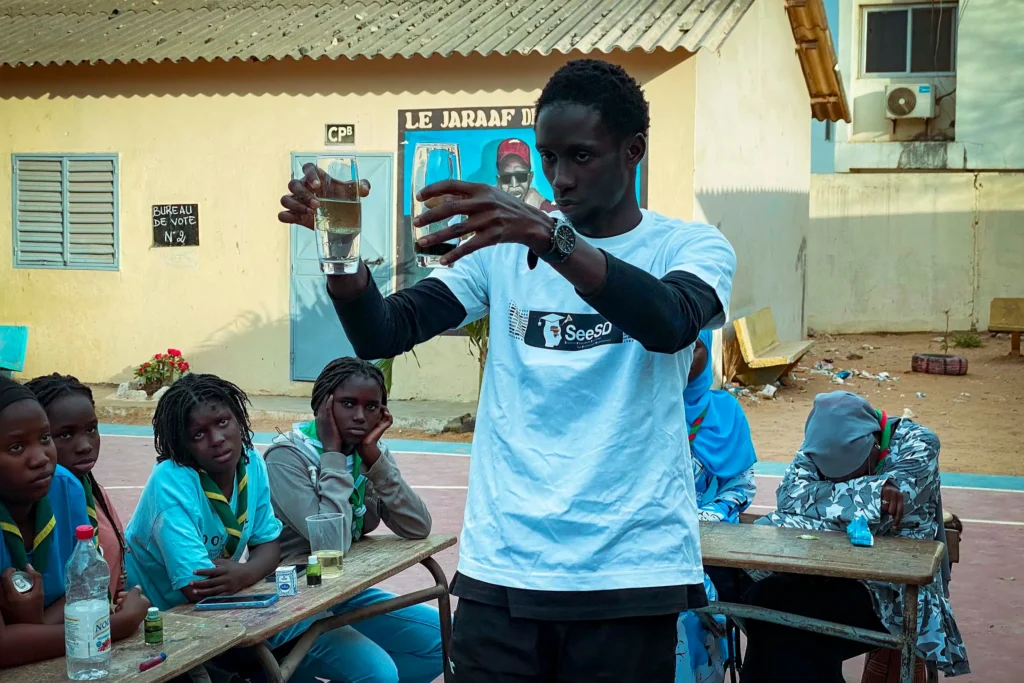
Citizen Science · SeeSD
Students in the programme are trained in science communication and deployed by SeeSD for STEAM (science, technology, engineering, arts and mathematics) outreach with communities, in local languages. Science and community knowledge feed into each other.
6 000+
People impacted since 2015
70+
Active mediators
3
Regions covered
7M+
Views in 2025
Collaboration
Collaborate with
the Sall Lab.
The Sall Lab brings field, laboratory and analytical capacity rooted in local context. We document knowledge with communities, collect plant material, generate data and analyse it on site. We are looking for scientific partners who share this vision, across Africa and internationally.
We are open to
Publications
Selected
works.